

Best Budget Sneakers for Beginners: Top Affordable Picks
Walk into any sneaker store and the price tags will give you whiplash. Limited editions running $300, collaborations flipping for four figures on resale sites, and a culture that seems built around spending more than you should. If you’re just getting into sneakers, that noise can make you think you need deep pockets to build a decent rotation. You don’t.
I’ve spent years buying, testing, and wearing out shoes across every price bracket, and some of my favorite pairs cost under $80. This guide is for anyone starting their sneaker journey who wants quality, comfort, and style without draining a paycheck. Let’s break down exactly what to buy and why.
Why Budget Sneakers Make Sense for Beginners
New sneakerheads often rush toward hype releases because that’s what shows up on social media. That’s a mistake early on. Your foot shape, walking pattern, and style preferences take time to figure out, and expensive shoes punish experimentation.
Cheaper sneakers let you test silhouettes, brands, and colorways without financial regret. You can rotate five affordable pairs for the price of one hyped release, which actually teaches you more about what you like. Budget shoes also take daily abuse better since you won’t baby them the way you’d baby a $250 pair.
Once you know your size across brands, your preferred cushioning style, and your go-to color palette, you’ll shop smarter even when you eventually splurge.
What to Look for in an Affordable Sneaker
Not every cheap shoe is a good shoe. Price and value are different things, and a beginner needs to know how to spot the difference.
Here’s what actually matters when you’re shopping on a budget:
- Cushioning quality: Foam midsoles like EVA or basic PU compounds hold up fine for daily wear, even if they lack the bounce of premium foams.
- Upper material: Look for canvas, mesh, or synthetic leather that resists creasing and tearing during the first few months.
- Outsole grip: Rubber outsoles with visible tread patterns last longer and grip better on wet pavement.
- Stitching and construction: Check the seams around the toe box and heel. Loose threads or uneven glue lines signal poor build quality.
- Brand reputation: Established brands tend to have better quality control even on their entry-level models compared to unknown fast-fashion labels.
A $50 shoe with solid stitching and decent rubber will outlast a $50 shoe made from flimsy synthetic material, even if they look similar in photos.
Top Budget Sneaker Picks for Beginners
Everyday Casual Wear
For daily errands, walking around campus, or casual hangouts, you want something comfortable that pairs with almost anything. Classic canvas sneakers and low-profile retro runners dominate this category for good reason.
Shoes styled after old-school court trainers or simple canvas slip-ons give you maximum versatility. They match jeans, shorts, joggers, basically anything in your closet. Brands producing budget versions of these classic silhouettes have gotten much better at nailing the proportions and materials over the past few years.
Running and Light Training
If you plan to use your sneakers for actual movement, prioritize function over looks. Entry-level running shoes from major athletic brands often use last season’s cushioning tech at a steep discount once the newer model launches.
Look for shoes with a clearly marked heel-to-toe drop and breathable mesh uppers. These features matter more for comfort during movement than color or logo placement. A $60 running shoe with proper arch support beats a $60 fashion sneaker every time you’re actually exercising in it.
Skate-Inspired Streetwear
Skate shoes have flat, wide soles built for stability and durability, which makes them great for beginners who want a rugged everyday shoe. The vulcanized rubber construction common in this category tends to survive years of wear.
These shoes also lean into a laid-back aesthetic that works with streetwear, so you get style and function in one purchase.
Comparing Budget Categories
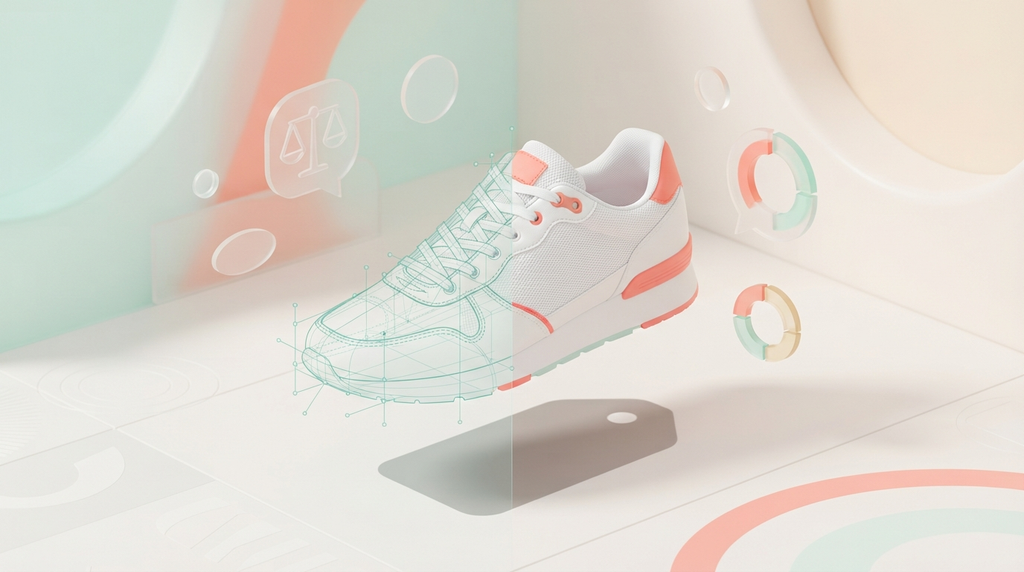
Here’s a quick breakdown of what to expect across common budget sneaker categories, based on typical price ranges and use cases.
| Category | Typical Price Range | Best For | Durability Expectation |
|---|---|---|---|
| Canvas casual | $25 to $50 | Daily wear, casual outfits | 6 to 12 months with regular use |
| Entry-level running | $50 to $80 | Light jogging, gym sessions | 300 to 400 miles |
| Skate-inspired | $45 to $70 | Streetwear, rough daily use | 12 to 18 months |
| Retro basketball reissues | $60 to $90 | Style-focused, occasional wear | 1 to 2 years |
| Slip-on comfort shoes | $30 to $55 | Errands, travel, low-effort style | 8 to 12 months |
Prices shift depending on sales cycles, so watch for seasonal discounts and outlet releases from major brands. Buying last year’s colorway of a solid model often saves you 30 to 40 percent compared to the current release.
Building Your First Rotation
A smart beginner rotation covers different use cases instead of five pairs that all do the same job. Think about your actual week rather than what looks good in a photo grid.
I’d recommend starting with one casual canvas pair, one athletic shoe for movement, and one slightly dressier option for occasions where sneakers still need to look intentional. That combination handles almost every situation a beginner runs into.
Rotating shoes also extends their lifespan since foam cushioning needs time to decompress between wears. Wearing the same pair every single day compresses the midsole faster and shortens its useful life significantly.
Care Tips That Extend Shoe Life
Cheap sneakers reward good maintenance just as much as expensive ones do. A few habits make a real difference over time.
Wipe down uppers after wear, especially canvas and mesh materials that trap dirt in the weave. Use a soft brush and mild soap rather than harsh cleaners that break down glue and stitching. Let shoes air dry naturally instead of using direct heat, which warps soles and cracks synthetic materials.
Rotating socks with proper cushioning also reduces internal wear on the shoe’s footbed, extending comfort long after the outer material starts showing age.
Final Thoughts
Building a sneaker collection doesn’t require a big budget or insider knowledge of hype drops. Focus on materials, construction quality, and matching the shoe to your actual lifestyle, and you’ll end up with a rotation that performs well and looks sharp.
Start with the categories above, pay attention to how each pair fits your daily routine, and upgrade selectively once you understand your preferences. That approach saves money and builds real sneaker knowledge, which matters far more than any logo ever will.