
How to Choose Your First Sneaker
Buying your first “real” sneaker feels bigger than picking out regular shoes. Maybe you’ve spent months scrolling through photos, watching people flex their collections, and wondering how they landed on the pair that started it all. I’ve been in this game long enough to help dozens of friends pick their first pair, and I can tell you the process gets a lot simpler once you cut through the noise.
This guide walks you through exactly what to think about before you spend your money. No fluff, no hype talk, just the practical stuff that actually matters when you’re standing in a store or staring at a checkout page at 2 a.m.
Start With Purpose, Not Hype
The biggest mistake first-time buyers make is chasing whatever’s trending on social media without asking a simple question: what am I actually going to do in these shoes?
A sneaker built for basketball performs completely differently from one designed for daily street wear. Running shoes prioritize cushioning and weight. Skate shoes prioritize grip and durability on rough surfaces. If you buy based on hype alone, you’ll end up with a shoe that looks great in photos and falls apart on your feet within a month.
Ask yourself these questions before you even start browsing:
- Will I wear these every day or save them for special occasions?
- Do I need something athletic, or am I after a lifestyle look?
- What’s my daily environment like: pavement, gym floors, grass, wet weather?
- Am I buying for comfort first, style first, or a balance of both?
Your answers will narrow the field fast. A college student walking campus all day has different needs than someone who wants a clean pair for weekend outings.
Understand the Main Sneaker Categories
Sneakers fall into a handful of broad categories, and knowing them helps you talk to store staff or filter search results with confidence.
Lifestyle and Casual Sneakers
These are your everyday shoes, built more for looks and comfort than performance. Think classic silhouettes with retro appeal. They’re versatile, they pair with almost anything, and they’re a smart entry point if you’re unsure what style speaks to you yet.
Performance Athletic Shoes
Running shoes, basketball shoes, and training shoes fall here. They’re engineered for specific movements, so a basketball shoe has ankle support and traction patterns designed for lateral cuts, while a running shoe focuses on forward motion and impact absorption. If you’re active, this category should be your priority over anything trendy.
Skate Shoes
Flatter soles, reinforced stitching, and grippier rubber define this group. Even if you don’t skate, these shoes hold up well for daily abuse thanks to their tougher construction.
Fit Matters More Than Anything Else
I’ve seen people buy a shoe purely because of the colorway, only to regret it the moment they walk a few blocks. Fit is non-negotiable. A sneaker that looks incredible but pinches your toes or slips at the heel is a shoe you’ll stop wearing within weeks.
Always try shoes on later in the day when your feet are slightly swollen from normal daily activity. Walk around the store, not just stand in place. Check for a thumb’s width of space between your longest toe and the front of the shoe. Your heel should feel locked in, with minimal slipping when you walk.
Sizing also varies significantly between brands. A size 10 in one brand can fit like a 9.5 or 10.5 in another. Never assume your size carries over perfectly. If you’re buying online for the first time from a brand, check their specific size chart and read reviews mentioning fit before committing.
Material and Build Quality
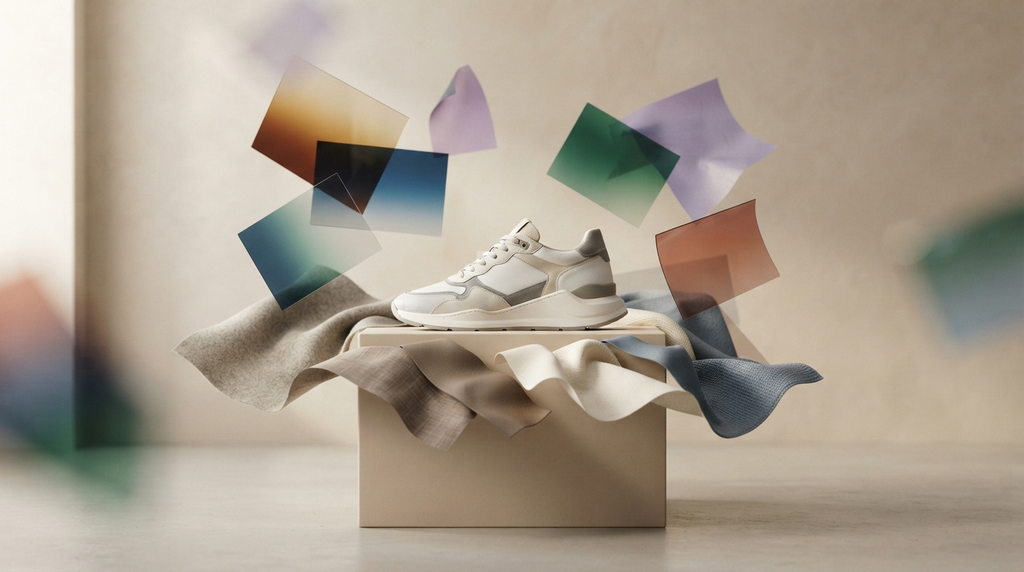
The materials used in a sneaker affect comfort, durability, and how the shoe ages over time. Here’s a quick breakdown to help you compare options at a glance.
| Material | Pros | Cons | Best For |
|---|---|---|---|
| Leather | Durable, easy to clean, ages well | Heavier, needs break-in time | Lifestyle, daily wear |
| Mesh | Lightweight, breathable | Less durable, harder to clean | Running, warm climates |
| Suede | Stylish, soft texture | Stains easily, needs care | Casual, low-impact wear |
| Synthetic leather | Affordable, low maintenance | Less breathable, wears out faster | Budget-friendly options |
| Knit | Flexible, snug fit | Prone to tearing, limited support | Lifestyle, light activity |
If you’re rough on your shoes or plan to wear them daily in unpredictable weather, lean toward leather or synthetic builds. If comfort and breathability top your list, mesh or knit uppers make more sense.
Set a Realistic Budget
First sneakers don’t need to break the bank. A solid pair from a reputable line typically runs between $70 and $150, and that range covers most of what a beginner actually needs. Limited editions and collaborations can climb into the hundreds or thousands, but that’s a resale and collector conversation, not a first-purchase one.
Spend your money on quality construction rather than chasing a name because it’s popular right now. A well-built $90 shoe will outlast a flashy $60 pair made with cheaper materials, and it’ll often look better after six months of wear too.
Test Comfort Beyond the Store
Comfort inside a store under bright lights doesn’t always translate to comfort during a full day of wear. If the store allows it, walk around outside briefly or on a harder surface to get a better feel for cushioning and support.
Pay attention to pressure points. A shoe that feels fine for five minutes can start pinching or rubbing after thirty. Break-in periods exist for a reason, but a genuinely well-fitted sneaker shouldn’t require weeks of pain before it feels right.
Think About Versatility for Your First Pair
Your first sneaker sets the tone for how you build a collection later, so pick something versatile. Neutral colors like white, black, or gray pair with far more outfits than bold, loud colorways. Save the statement pieces for your second or third pair, once you know your style better and understand what you actually reach for on a daily basis.
Key Takeaways
Choosing your first sneaker comes down to matching purpose, fit, and budget rather than chasing trends. Know what you’ll use the shoe for, understand the category that fits your lifestyle, prioritize proper fit over appearance, and pick materials that match how hard you’ll wear them. Set a budget that values quality construction, and lean toward versatile colors that work across your wardrobe.
Take your time with this decision. Visit a store if you can, try multiple pairs, and don’t let hype rush you into a purchase you’ll regret in a month. Your first sneaker should feel like it was picked for your feet and your life, not for someone else’s Instagram feed. Get that right, and everything you buy after this will be easier to choose.