
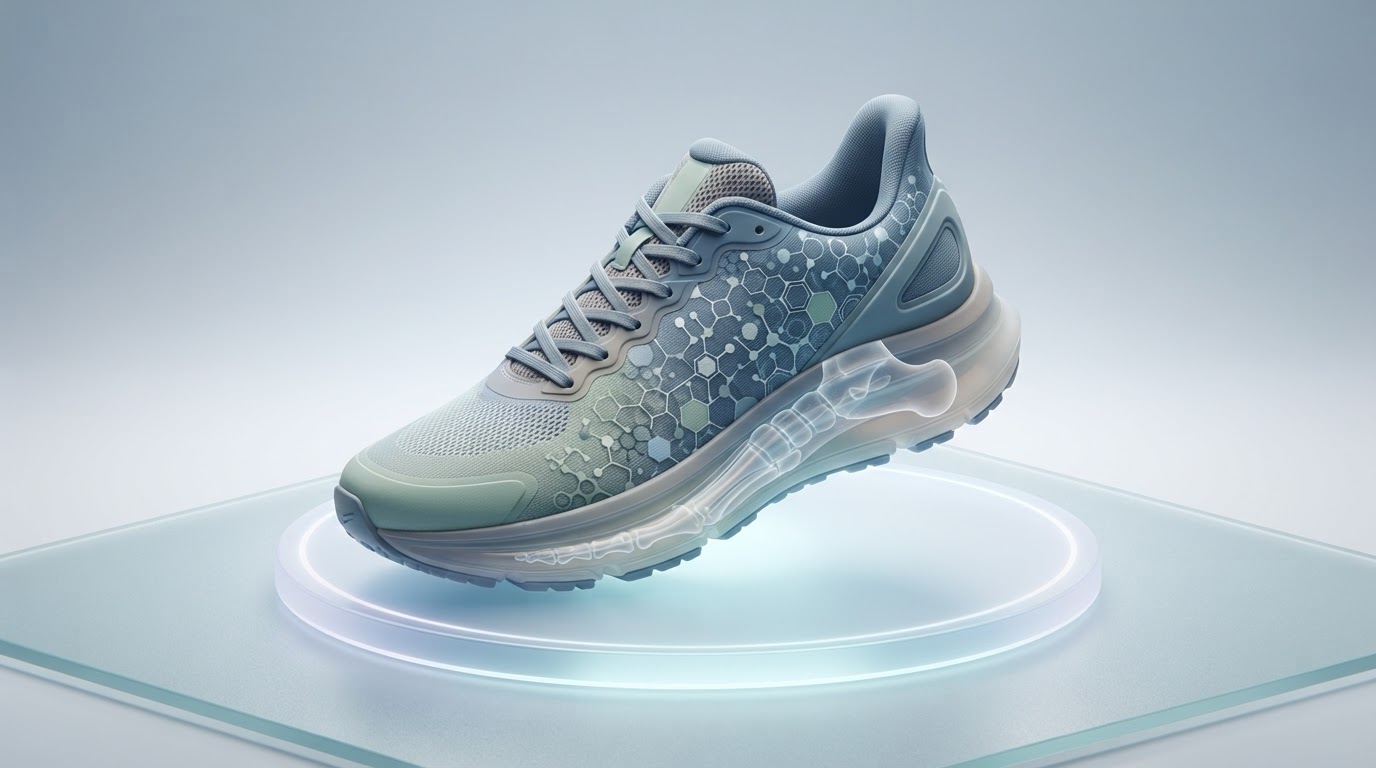
Does Nike Make Diabetic Shoes?
If you have diabetes and you’re shopping for new sneakers, you’ve probably noticed the market for “diabetic shoes” is dominated by medical brands like Orthofeet, Dr. Comfort, and Propet. Nike’s name rarely comes up in that conversation, and that’s led a lot of people to ask a fair question: does Nike actually make shoes for diabetic feet, or do you need to go to a specialty brand instead?
I’ve spent years looking closely at footwear construction, and the short answer is that Nike does not produce a shoe labeled or marketed as “diabetic footwear.” But that doesn’t mean Nike is off the table for people managing diabetes. The longer answer is more useful, and it’s what this article is about.
What Actually Makes a Shoe “Diabetic”
Before you can judge whether Nike fits the bill, you need to know what a diabetic shoe is supposed to do. Diabetic footwear exists to protect feet that have lost sensation or circulation due to neuropathy, a common complication of diabetes. When feet can’t feel pressure, rubbing, or heat well, small irritations turn into blisters, and blisters can turn into ulcers or infections without the person even noticing.
Medicare actually has a formal program (the Therapeutic Shoe Bill) that covers certified diabetic shoes and inserts for qualifying patients. To meet that certification, a shoe generally needs specific features built in from the ground up.
- Seamless or minimally seamed interiors to reduce friction points
- Extra depth in the toe box to accommodate custom orthotics or swelling
- Wide, adjustable closures instead of tight laces that dig into the foot
- Soft, breathable, non-irritating lining materials
- Rigid but flexible outsoles that protect against ground-level puncture
- Removable insoles for custom diabetic inserts
Nike sneakers, even the most cushioned Air Max or Pegasus models, are not engineered around this checklist. They’re built for athletic performance, style, and general comfort, not for medical-grade protection of insensate feet.
Why Nike Doesn’t Make Certified Diabetic Shoes
Nike operates as an athletic and lifestyle brand, not a medical device company. Certified diabetic shoes fall under FDA and Medicare regulatory categories that require specific manufacturing standards, documentation, and often a prescription from a podiatrist. Getting a shoe certified this way is a completely different business than designing the next Nike Air Zoom.
Medical shoe brands built their entire product lines around this certification process. Dr. Comfort and Orthofeet, for example, design every shoe with removable insoles, extra width options, and seam-free interiors as the starting point, not an afterthought. Nike starts from a different place: cushioning technology, energy return, and performance fit. Those goals can overlap with diabetic-friendly features sometimes, but they were never the design brief.
Where Nike Shoes Can Still Work for Diabetic Feet
Here’s where I’ll push back on the idea that Nike is a bad choice across the board. Plenty of people with diabetes, especially those with mild or well-managed neuropathy and no active foot ulcers, wear Nike sneakers daily without issue. The key is choosing the right models and paying attention to fit.
Models Worth Considering
Certain Nike lines lean closer to diabetic-friendly territory than others, mostly because of their roomier fit and softer uppers.
| Nike Model | Why It Might Work | Watch Out For |
|---|---|---|
| Nike Air Monarch IV | Wide, leather upper, Velcro strap option, roomy toe box | Heavier, less cushioned midsole |
| Nike Pegasus (regular and wide) | Available in wide widths, soft mesh upper, solid cushioning | Standard lacing can create pressure points |
| Nike Air Max SC | Simple design, low seams, easy on/off | Narrower toe box than medical shoes |
| Nike Free Run series | Flexible, sock-like fit reduces rubbing | Minimal arch support for some foot types |
What to Check Before Buying
If you’re going the Nike route instead of a certified diabetic shoe, run through this checklist in the store or before you finalize an online order.
- Ask for wide or extra-wide sizing if your feet swell during the day
- Press your thumb along interior seams to feel for rough edges
- Remove the stock insole and see if there’s room for a custom diabetic insert
- Choose Velcro or elastic lacing systems over traditional laces if dexterity or pressure sensitivity is a concern
- Walk around the store for several minutes, not just a few steps, to catch hot spots early
Talk to Your Podiatrist First
I say this every time someone asks me about footwear for a medical condition: the shoe matters, but the professional guidance matters more. If you have diagnosed peripheral neuropathy, a history of foot ulcers, or poor circulation, a podiatrist should weigh in before you commit to any shoe, Nike or otherwise. They can tell you whether you qualify for Medicare-covered diabetic shoes, which comes at little to no cost depending on your plan, and whether your foot shape needs a custom insert that only fits properly in a true diabetic-certified shoe.
For people with mild neuropathy or those simply trying to be proactive about foot health, a well-chosen Nike model with a diabetic insert added can be a reasonable middle ground. For anyone with active foot complications, stick with certified medical footwear. The stakes with diabetic feet are high enough that guesswork isn’t worth it.
Diabetic Shoe Brands vs. Nike: Quick Comparison
To put things in perspective, here’s how Nike stacks up against dedicated diabetic shoe brands on the factors that matter most.
| Factor | Nike | Dr. Comfort / Orthofeet |
|---|---|---|
| Medicare certified | No | Yes |
| Seam-free interior | Rarely | Standard |
| Extra depth for orthotics | Limited | Standard |
| Wide width options | Some models | Extensive range |
| Style variety | Extensive | Limited but improving |
| Price range | $60 to $180 | $100 to $250 |

Key Takeaways
Nike doesn’t manufacture certified diabetic shoes, and you won’t find that label anywhere in their catalog. What Nike does offer are select models with wide sizing, soft uppers, and removable insoles that can work reasonably well for people with mild diabetic foot concerns, provided you check the fit carefully and skip traditional tight lacing.
If you have active neuropathy, circulation problems, or a history of foot ulcers, a certified diabetic shoe brand is the safer and smarter choice, and it may even be covered by Medicare. Talk to your podiatrist, get your feet properly measured, and decide from there whether a Nike sneaker fits your specific situation or whether you need to go the medical-shoe route instead. Your feet will thank you either way.